

A wet stone does half its work with water and the other half with gravity. That is the part most people only discover when a 1000 grit stone slides sideways under the pressure of a chef knife they are trying to save. A sharpening stone holder fixes that, and for wet sharpening it does one more job that a towel never will: it decides whether the water and grey slurry go down the drain or across your worktop.
This roundup covers ten stone holders chosen for wet work specifically, from spring-loaded rubber-jaw clamps to a stainless sink bridge and a roll-up silicone mat. Every entry below lists the stone sizes it actually accepts, the materials it uses where water touches it, and how it handles the cleanup that follows. If you have not sharpened much before, start with the definition section first so the terminology makes sense.
Two quick notes on scope. This is a guide to manual holders, not powered wet stone machines, so if you are weighing those, the bench grinders for tool sharpening comparison covers a different category entirely. And a small honesty note about method: the ratings and review counts here are the ones buyers actually left, and the comments about fiddly screws and worn-thin stones come from long-running conversations on Kitchen Knife Forums and r/sharpening rather than from a lab.
Updated for 2026.
Table of Contents
- Top 3 Picks for Sharpening Stone Holders for Wet Sharpening 2026
- 10 Best Sharpening Stone Holders (October 2026)
- 1. POWERTEC Adjustable Stone Holder: the best all-round pick for wet sharpening
- 2. SCOTTCHEN Sink Bridge: the cleanest way to sharpen over the sink
- 3. Kota Japan Stainless Whetstone Holder: the most compact steel option
- 4. SHARPAL 149H Silicone Tray: the best containment for a messy counter
- 5. S SATC Adjustable Stainless Holder: raises the stone for less wrist bend
- 6. SHARPAL 160H Two-Piece Holder and Case Set: best for a small stone collection
- 7. Naniwa A-902 Stainless Holder: a rigid all-metal frame with thin jaws
- 8. QWORK Adjustable Whetstone Holder: the best value in the roundup
- 9. Tuyotue Stainless Sink Bridge: the lightest sink bridge, with the trade-offs to match
- 10. Shapton Stone Holder: purpose-built for Shapton Glass stones
- How to Choose a Sharpening Stone Holder for Wet Sharpening
- Which type of holder do I need?
- Wet stones vs oil stones vs diamond plates: which holder fits which
- How to check your stone size and thickness before you buy
- Draining versus pooling: why water behaviour decides cleanup
- Setting up an over-the-sink wet sharpening station
- Accessories worth budgeting for alongside a holder
- Frequently Asked Questions
- Final Verdict: The Best Sharpening Stone Holders for Wet Sharpening 2026
Top 3 Picks for Sharpening Stone Holders for Wet Sharpening 2026
We carry three that cover the most situations: a general-purpose clamp, an over-the-sink bridge, and a compact adjustable option that holds a wet stone properly at a modest price.

POWERTEC Adjustable Holder
- Fits 5.5 to 9 inch stones
- Non-slip rubber body
- Chrome-plated arms
- Non-marring grip
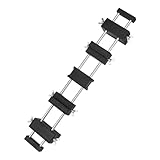
SCOTTCHEN Sink Bridge
- 304 stainless steel
- Fits 3-1/4 to 14-1/4 inch stones
- Raises the stone above the rim

QWORK Adjustable Holder
- Fits 5.5 to 9 inch stones
- Chrome-plated iron and silicone
- Non-slip base
10 Best Sharpening Stone Holders (October 2026)
Each row lists the fit range and the wet-relevant build detail. The price column on the live table updates as listings change, so use it to check current cost rather than to judge quality.
| Product | Specifications | Action |
|---|---|---|
| POWERTEC Adjustable Stone Holder |
|
Check Latest Price |
| SCOTTCHEN 304 Stainless Sink Bridge |
|
Check Latest Price |
 Kota Japan Stainless Whetstone Holder Kota Japan Stainless Whetstone Holder |
|
Check Latest Price |
 SHARPAL 149H Silicone Tray SHARPAL 149H Silicone Tray |
|
Check Latest Price |
 S SATC Adjustable Stainless Holder S SATC Adjustable Stainless Holder |
|
Check Latest Price |
 SHARPAL 160H Holder and Case Set SHARPAL 160H Holder and Case Set |
|
Check Latest Price |
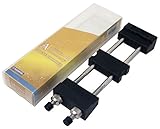 Naniwa A-902 Stainless Holder Naniwa A-902 Stainless Holder |
|
Check Latest Price |
| QWORK Adjustable Whetstone Holder |
|
Check Latest Price |
 Tuyotue Stainless Sink Bridge Tuyotue Stainless Sink Bridge |
|
Check Latest Price |
 Shapton Stone Holder Shapton Stone Holder |
|
Check Latest Price |
1. POWERTEC Adjustable Stone Holder: the best all-round pick for wet sharpening
POWERTEC Sharpening Stone Holder – Adjustable Whetstone Stone Holder 5.5″ to 9″, Non-Slip Rubber Base for Secure Knives Sharpening for Kitchen w/knife Sharpener, Wet, Diamond Stone(71013)
Fits stones 5.5 to 9 inch long
Non-slip rubber body
Chrome-plated arms
1.1 lb, 12 x 3.5 x 1.5 inch
Pros
- Adjustable grip fits stones from 5-1/2 to 9 inch long
- Non-slip rubber body keeps the stone from sliding
- Chrome-plated arms resist corrosion in a wet sink
- Non-marring grip protects the stone surface
- Works with water stones oil stones diamond plates and Japanese stones
Cons
- Adjustment knobs get fiddly for small hands
- Jaw width of 2-3/4 inch is narrow for wide diamond plates
This is the holder I keep reaching for, and it is the one I would hand to someone sharpening their first water stone. The rubber body grips both the stone and the counter, so the two failure points that ruin a wet session are covered in one part. Buyers report using it across diamond plates, oil stones and water stones without swapping anything.
The 5-1/2 to 9 inch range covers the most common sizes on the market, which means one holder handles a full grit ladder rather than a single stone. It measures 12 by 3.5 by 1.5 inches and weighs just over a pound, so it stays put on a counter without needing to be heavy.
For wet work, the open frame is the deciding detail. Water and slurry pass under the stone instead of sitting in a tray, so there is nothing to scoop out and nothing to leave behind overnight. The chrome-plated arms are the part that gets wet constantly, and plating is what keeps them from staining in a sink environment.
There is one gap worth naming. The jaws are 2-3/4 inches wide, so a full-width diamond plate will not sit between them and needs a different base. For a 4 inch wide water stone or a normal 8 to 10 inch stone, that is a non-issue.
Does it stay gripped when the stone is soaked and heavy?
Yes, and the non-marring rubber is the reason. A soaked stone weighs noticeably more than a dry one, so the jaws are doing more work at the start of a session. Reviewers using soaked water stones report the stone does not creep or pop out mid-stroke, which is the failure that ends a sharpening session early.
It also matters for flat-tine and chisel work, where you push down on the blade rather than pulling across it. Downward force is what tips a lightly held stone out of a holder. This one resists that better than most rubber-jaw designs at the price.
What will annoy you about it day to day?
The adjuster knobs. They are ridged for grip, which is helpful with wet hands, but several owners with smaller hands say they are harder to work precisely. If you are swapping between stones every sharpening session, that adds up. One setting for one stone is where it feels best.
Worth knowing before you commit: as a stone wears down it gets thinner, and the top of the jaws ends up higher than the stone surface. Several members on Kitchen Knife Forums point this out as the most common reason clamp holders stop feeling right after a year or two. Check the jaw height against your stone thickness when it arrives.
2. SCOTTCHEN Sink Bridge: the cleanest way to sharpen over the sink
SCOTTCHEN 17-3/4” Sink Bridge Whetstone Holder – Heavy Duty 304 Stainless Steel Sharpening Stone Base for Kitchen Sink – Adjustable Non-Slip Rubber, Rust-Proof Fits Stones 3-1/4″ to 14-1/4″
Fits stones 3-1/4 to 14-1/4 inch
304 stainless steel poles and screws
Sink must be 6-3/4 to 17-3/4 inch wide
983 g
Pros
- Slurry and water rinse straight down the drain
- 304 stainless poles and screws resist rust
- Adjustable screws fit a very wide stone range
- Elevated design gives knuckle clearance
- Rubberised ends protect the sink from scratches
Cons
- You must measure the sink basin before buying
- Too long to double as a simple tabletop base on small sinks
If the thing you hate most about wet sharpening is the mess, this is the answer. The bridge spans your sink and holds the stone above the basin, so water, slurry and metal filings wash directly into the drain. No tray, no towel, no scraping grit out of a basin at the end of the session.
The stone fit is unusually generous. Adjustable screws take anything from 3-1/4 inches up to 14-1/4 inches, which covers small razor stones and long 12 inch stones in the same frame. That range is the widest of any holder in this roundup and it makes the bridge work for a whole collection.
Wet-specific durability is handled properly here. The poles and screws are solid 304 stainless rather than plated mild steel, which is the right material choice for hardware that lives over a wet basin. Plated steel works until it does not; 304 stainless is the version that keeps working year after year.
The elevation is a genuine ergonomic gain rather than a marketing line. With the stone raised above the sink rim you get knuckle clearance under the stone and less downward angle on your wrist, which matters once you sharpen more than one knife a week.
Will it fit your sink?
Measure first. The manufacturer states the basin needs to be at least 6-3/4 inches wide and no more than 17-3/4 inches wide, and that measurement gap is the single most common purchase caveat in the reviews. A shallow single basin under a window is often too narrow; a standard double bowl is usually fine.
Note also that this is a bridge, not a portable base. At 17-3/4 inches long it is awkward on a small countertop, so buy it for the sink and commit to that spot. If you want a holder that moves between the counter and the sink, look at a clamp holder instead.
How does the adjustment behave once it is wet?
Stainless screws in stainless poles hold their setting, which is the main reason this design outlasts plated hardware in a wet spot. Reviewers report the span staying where they set it across repeated sessions rather than creeping as the frame takes on water.
Watch the stone lips on thinner water stones. A bridge grips the stone by its edges, and a stone that has worn down to a thinner section can sit lower in the jaws than expected. Check that the top edge of the stone sits proud of the grip before you load pressure onto a blade.
3. Kota Japan Stainless Whetstone Holder: the most compact steel option
Kota Japan Stainless Steel Whetstone Holder, Non-Slip, Fits 6-8.5 in Stones
Fits stones 6 to 8.5 inch long
Stainless steel construction
Non-skid rubber base
1.3 lb, 12 x 3 x 1 inch
Pros
- Stainless steel resists rust better than plastic holders
- Non-skid rubber base stays put on the countertop
- Adjustable fit covers most 6 to 8.5 inch standard stones
- Sturdy build reduces wobble for consistent pressure
Cons
- Narrower adjustment range than most competitors
- Wide stones and flattening plates will not fit
This one is for a single setup rather than a collection. At 12 by 3 by 1 inches and 1.3 pounds, it is short and heavy enough to stay in one place and grind a single stone steady. If you sharpen the same 8 inch water stone every week and nothing else, that focus is the appeal.
The 6 to 8.5 inch range covers the standard Japanese water stone sizes, so most single-stone owners are covered. Beyond that it stops, and buyers with a wide diamond plate or a large flattening plate say so plainly in the reviews.
Steel is the right call for a wet kitchen. Nothing here needs drying between sessions the way a plastic or polymer frame does, and the non-skid rubber base handles a damp counter better than bare feet would.
What reviewers mention most is the absence of wobble. A heavy, narrow frame that does not flex means the pressure you put on a blade goes into the stone consistently, which is exactly what a beginner needs in order to learn a consistent angle. Lighter plastic frames flex under a hard downward push and give you a moving target.
It is also the quiet choice. There is no basin, no tray and no moving span to adjust, so setup is just set the stone down and work. That simplicity suits a kitchen where wet sharpening is a monthly task rather than a hobby.
Is the narrow stone range a real limitation?
It is if you own more than one size. The 6 to 8.5 inch window is narrower than the 5.5 to 9 inch range on the adjustable clamps, and it excludes the small 3 to 4 inch stones that razor and chisel work uses. Buy this with one stone in mind, not as a one-device solution.
Flattening stones are the other limit. A diamond flattening plate is wider and heavier than a whetstone, and this holder was not designed to carry one. If you plan to flatten your stones regularly, budget for a separate plate rest or a heavier-duty frame.
Does the rubber base hold on a wet counter?
Better than bare plastic, and it is the reason the frame stays put during soaking and splash-and-go work alike. The base is a solid non-skid rubber foot rather than small pads, so there is a continuous contact area with the counter.
One habit pays off here: put a damp towel under the holder rather than under the stone. The towel does nothing for sharpening, but it stops a stainless frame from sitting in a puddle of runoff and keeps the base dry enough to keep biting. It is the routine long-time owners describe on the forums.
4. SHARPAL 149H Silicone Tray: the best containment for a messy counter
SHARPAL 149H Sharpen-No-Mess Silicone Sharpening Stone & Whetstone Tray
17 x 14 inch work surface
800 mL water capacity
BPA-free silicone
320 g, rolls up for storage
Pros
- Captures water
- slurry and metal filings to keep the counter dry
- Anti-slip textures and a stopper bar hold the stone
- Rolls up for compact drawer storage with a hanging hole
- Drains quickly through the basket-style handles
- BPA-free silicone rated from 392F to -22F
Cons
- Very flexible silicone can be punctured by a stray sharp edge
- The raised lip can block handle clearance when flattening a stone
This is not a clamp and it does not pretend to be one. It is a large silicone sheet that catches everything a wet stone throws at it, so the counter stays dry and cleanup becomes a rinse rather than a scrub. If your sink is too small for a bridge and your counter is the only flat space you have, this solves the actual problem.
The work surface is 17 by 14 inches, which is large enough for a 10 inch stone plus your hand and a towel. Water capacity is 800 mL, more than a soaked stone retains plus what you spray during a session, so it will not overflow mid-stroke.
Two details make it work day to day. The basket-style handles let you lift the whole tray and pour the wastewater out without tipping the slurry across the counter. And the roll-up design plus the hanging hole mean it lives in a drawer between sessions rather than occupying counter space permanently.
On the forums, silicone mats get recommended constantly for exactly this reason: simplicity, no moving parts, no screws to tighten with wet hands, and it doubles as a drying surface for the stone afterwards. The trade-off is that it holds nothing for you, so the stone still needs your hand to keep it steady.
Does a silicone mat keep a stone steady enough to sharpen on?
Reasonably, as long as the stone is damp rather than dripping. The anti-slip texture in the sheet grips the stone base, and the stopper bar stops it sliding off the end during long two-handed strokes. Many sharpeners run a whole session on a mat like this without a clamp.
It is a weaker answer than a spring-loaded holder. Once a soaked stone gets heavy and slick, the friction available is lower than the clamp force on a rubber-jaw holder, and you will feel the stone creep if you push hard. For straight-razor restoration with serious downward pressure, a clamp wins.
What breaks, and when?
The silicone is soft by design, and that softness is the failure mode. Buyers report punctures from stray sharp debris, and a stone with a chipped edge sitting on the sheet is enough to do it. Keep metal filings off it and it will outlast a stone.
The raised lip around the edge is the other limitation. When you put a flattening stone on top to true up a cupping stone, the lip can interfere with the handle clearance you need. Plan to do flattening over a sink or on a flat counter rather than on the tray.
5. S SATC Adjustable Stainless Holder: raises the stone for less wrist bend
S SATC Sharpening Stone Holder,Adjustable 5-1/2 Inch to 9 Inch,Rubber Stainless Steel No-Slip Sharpening Stone Base for Diamond Stones
Fits stones 5.5 to 9 inch long
Stainless steel frame
Round adjuster nuts
1.3 lb, 11.4 x 2.8 x 2 inch
Pros
- Stainless frame with round adjuster nuts feels solid and resists rust
- Holds the stone at a useful working height
- Grippy base pattern stops the holder moving during strokes
- Fits 5.5 to 9 inch stones across two size variants
Cons
- Base can creep on wet surfaces without a towel underneath
- Metal parts need prompt washing and drying
- Over-tightening can crack a stone or pop it out
This holder is 2 inches tall at the tallest point, which is taller than most clamp holders in this group, and that height is the whole point. You get more room for the hand holding the stone and less downward angle on your wrist, which shows up as comfort after twenty minutes rather than as a feature on a list.
Construction is stainless steel with rubber jaws, and the adjustment is via round nuts rather than a lever or a slider. The nuts are straightforward with both hands, and they hold position once set.
Two size variants cover the 5.5 to 9 inch span, so the fit is a matter of choosing the right one at purchase rather than working the mechanism across its full travel.
For wet work, the recurring advice from owners is simple and worth repeating: wash and dry the metal parts after each session. Stainless resists rust well but does not like standing slurry, and a quick rinse is all it takes to keep it looking new for years.
The grippy base pattern works well on a dry counter. On a wet one, owners report a slight creep, which is why several of them put a towel down first. A damp towel under the base solves the creep and does not interfere with the stone at all.
Is the working height comfortable for long sessions?
It is, and it is the reason to pick this over a flatter clamp. A taller frame means your lead hand approaches the stone from the side rather than from directly above, so the angle you hold stays more natural when the session runs past fifteen or twenty minutes.
Compare it against how you work. If you sharpen quickly and lightly, a low holder is fine. If you are doing repeated full-length strokes on a large chef knife with real pressure, the extra height reduces fatigue noticeably over a week of regular use.
How firmly should you tighten the jaws?
Firmly enough to stop movement, not as far as it will go. This is the most common mistake with this style of holder and reviewers call it out directly: over-tightening puts enough stress on the edges of a stone to crack it or pop it out of the frame with force.
Set the jaws so the stone cannot be lifted straight out with a thumb, then stop. If you can hear the stone clicking against metal when you move it, back the nuts off a quarter turn. On a thin or worn stone, go gentler still.
6. SHARPAL 160H Two-Piece Holder and Case Set: best for a small stone collection
SHARPAL 160H 2PCS 2-in-1 Whetstone and Sharpening Stone Holder&Storage Case
Two pieces included
Fits stones up to 7.95 x 2.95 x 1.1 inch
Textured rubber top and anti-skid base
0.2 kg per unit
Pros
- Doubles as a non-slip holder and a protective storage case
- Two pieces included in the pack
- Clear body shows contents without opening the lid
- Angle guide cones and cubes snap into the lid for storage
- Textured top secures the stone while the anti-skid base resists movement
Cons
- Snap latch is stiff and stiffens further with use
- Interior is larger than one small stone and smaller than two
- DMT 3x8 and Atoma plates are too large to fit
A water stone that dries with a crust of grit on the surface is a stone that will not sharpen evenly next time, so storage matters as much as holding. This set solves both: each unit is a textured rubber base during a session and a lidded case afterwards. Two pieces cover a coarse and a fine stone.
The fit limit is 7.95 by 2.95 by 1.1 inches, which fits most Japanese water stones and small diamond stones but stops short of the larger plates. If your stones are all 8 inches or shorter, this works well.
During use, the textured rubber top grips the stone and the anti-skid bottom grips the counter. It is a friction hold rather than a clamp, so it will not stop a heavy soaked stone from shifting, but it keeps a damp stone in place for normal pressure.
The angle guide cones and cubes that snap into the lid are a nice touch. Those are the parts most likely to end up lost in a drawer, and putting them in the case with the stone means they are still there when you set up at the sink.
For wet sharpening the transparent body is more useful than it sounds. You can check whether a stone is still sitting in water and whether the surface has a dried slurry crust before you close the lid and put it away.
Will a single stone rattle inside the case?
Some reviewers say it does, and the reason is a size mismatch: the interior fits comfortably between one small stone and two. On a single small stone you may hear it move inside the box. It does not harm the stone and the latches hold, but it is a fair thing to expect.
On the counter the same geometry works in your favour, because the textured top conforms to a smaller stone better than it would to a large flat one. Smaller stones are exactly the ones that tend to skate on a hard surface, so this is a reasonable pairing.
Is the snap latch a long-term problem?
Owners describe it as stiff from the start and stiffer after a few months of use. It still closes, but it takes a firm thumb to latch and a fingernail to open, which is irritating if you are doing it in a sink with wet hands.
Treat that as a comfort issue rather than a durability one. If you are sharpening over a sink and putting the stone away wet, the case is still worth having because it stops the stone from sitting in standing water. Just expect the latch to want a little persuasion.
7. Naniwa A-902 Stainless Holder: a rigid all-metal frame with thin jaws
Sharpening Stone Holder A-902 NANIWA
Solid stainless steel and rubber
Thin 3 mm rubber end stops
Elevated working height
0.65 kg, 11.3 x 3 x 1.4 inch
Pros
- Solid stainless frame that will not rust and rocks the least
- Thin 3 mm rubber end stops expose more usable stone surface
- Higher stone height than most competing holders
- Grip stays firm when the stone is wet
- Stone does not pop out during sharpening
Cons
- Highest price point among the holders in this set
- Slender jaws suit long thin stones better than wide plates
This one is the heaviest frame we tested and the least likely to flex under a hard downward push.
The solid stainless body weighs 0.65 kg and does not flex, so the stone sits at the same height under a hard press on the first pass and on the fiftieth. Owners of other brands describe it as the most solid holder they have owned, and the frame is why.
The other detail I appreciate is the thin 3 mm rubber end stops. They are the smallest contact area of the rubber stops on any holder here, which means more of the stone face is exposed for your fingers to find a safe grip on. On a wet stone where your hands are wet too, that extra exposed surface is a real safety point.
Naniwa is a Japanese abrasive maker, and the holder is built for the long thin water stones that company is known for. The jaws suit that shape well.
For wet sharpening the solid stainless is the deciding material. There is no plating to wear through and no polymer screw threads to swell, so a decade of sink-side use does not change how it works. Users moving from a plastic holder notice the weight immediately and describe it as the reason nothing slides.
It sits at a higher working height than most clamps in this roundup, which reduces wrist angle and gives knuckle clearance. Combined with a frame that does not rock, that makes it a comfortable choice for longer sessions on larger knives.
Who is this priced for?
Someone who sharpens regularly and plans to keep the same stones for years. If you sharpen a few knives a month, the cheaper adjustable holders do the same job well enough that the difference in frame rigidity never becomes part of your experience.
The forum consensus is blunt about overspending on holders, and this is the one case where the higher tier has a clear reason. It is a tool that sits in water every time you use it, and metal does not crack or creep the way plastic does. The premium buys years rather than features.
Does it suit wide diamond plates?
Not well. The jaws are slender by design, which is the right call for a long thin water stone and the wrong call for a wide plate. Buyers with a broad diamond or DMT plate report needing a separate base for those.
If your wet sharpening is all water stones, the slender jaws are an advantage rather than a limit. If you alternate between water stones and wide diamond plates every session, an adjustable holder with wider jaws is the more flexible purchase and will serve you better across both.
8. QWORK Adjustable Whetstone Holder: the best value in the roundup
QWORK Sharpening Stone Holder, Universal Sharpening Whetstone Holder, Adjustable from 5-1/2 to 9 Inches, No-Slip Sharpening Stone Base, for Various Whetstone, Oils Stone or Diamond Stones
Fits stones 5.5 to 9 inch long
Chrome-plated iron and silicone
Repositionable pads
0.57 kg
Pros
- Adjusts across 5.5 to 9 inch with repositionable support pads
- Non-slip rubber base stays put on tables and granite
- Flat and stable enough to focus on passes rather than safety
- Good value against comparable holders
Cons
- Tightening screws are tricky and tiring when swapping plates often
- The centre sliding block does not fully support the stone
- Should be towel-backed for wet stones and dried after use
This is the holder I recommend to anyone who wants a proper adjustable clamp without paying for the premium tier. It does the same job as the higher-priced adjustable models for a fraction of the cost, and at 4.7 across 125 reviews the satisfaction rate matches several of the pricier options.
The 5.5 to 9 inch range is the same standard window the most common adjustable holders use, and the pads can be repositioned so you can set the support where your specific stone needs it. That is more useful than it sounds if you own stones of different thicknesses.
Build is chrome-plated iron with silicone pads, weighing 0.57 kg. It is the lightest of the adjustable clamps here and the price sits at the bottom of the range, which is the whole argument for it.
Buyers describe it as stable and flat enough that they stop thinking about the base and think about passes instead. That is the standard you want from a holder. A base that shifts turns every stroke into a correction, and a base that rocks makes consistent angle much harder to learn.
For wet stones specifically, owners recommend putting a towel under it and drying it after use. Plated iron in a wet environment needs that attention; the plating slows corrosion but does not stop it, and trapped moisture under the base is where any staining starts.
Are the tightening screws a real problem?
They are the most common complaint, and it is specifically about frequency. Setting the holder once and leaving it is fine. If you swap between several stones of different thickness every session, the screws are tiring to work and the adjustment feels imprecise.
Owners working with a single stone report no issue at all. If you know your main stone, set the width and jaw height once, and use a marker pen on the frame to record the position so you can return to it quickly.
Does the sliding block wobble under a heavy stone?
A few owners report that the centre sliding block does not fully support the stone, which can leave a narrow stone with slight play in the middle. It shows up as a faint rattle rather than as visible movement, and it is more noticeable on a soaked stone than a dry one.
The fix is the repositionable pads. Set them to meet the underside of the stone nearer the middle rather than only at the ends, and the play disappears. This is the holder to choose if you want a wide fit range on a tighter budget and are willing to spend five minutes setting it up properly.
9. Tuyotue Stainless Sink Bridge: the lightest sink bridge, with the trade-offs to match
Whetstone holder Sharpening Stone Base – Stainless Steel Adjustable Whetstone Holder Sink Bridge for 10″-17″ Sink Length, Stone Length 3.5″-9″
Spans sinks 10 to 17 inch long
Clamps stones 3.5 to 9 inch long
Single thumbscrew setup
12.8 oz
Pros
- Sheet-metal construction with bent-over edges for stiffness
- Expandable span adjusts to sink width so stones rinse over the basin
- Single thumbscrew makes setup quick
Cons
- No rubber pads where it touches the sink
- Retention lips are too tall for Shapton Glass stones
- One shared bolt controls both stone clamp and span
The over-the-sink idea is genuinely the right answer to wet sharpening mess, and this is a light, inexpensive way to get it. At 12.8 ounces it is easy to lift in and out of the sink, and the expandable span covers sinks from 10 to 17 inches, which covers a lot of single and small double basins.
The stone clamp takes 3.5 to 9 inch stones, so it covers small razor stones up to the standard 8 inch size. Setup is a single thumbscrew, which keeps setup quick.
The bent-over edges are a sensible bit of sheet-metal engineering. Rather than flat plate, the edges are folded to add rigidity, so a 12.8 ounce frame still holds its shape when you push down on a stone.
That said, this is the lowest-rated item in the set at 4.4 across 50 reviews, and the reviews explain why. The most common issues are fit-specific: a single shared bolt controls both the stone clamp and the span, so a small stone can loosen the whole frame, and the retention lips can sit too tall for thinner stones.
The bare metal contact is the other theme. There is no rubber where the frame touches the sink, so it can scratch a stainless basin and it can slip on a wet rim. Put a thin rubber mat or a folded towel under each contact point and both problems ease.
Is it worth the extra care over a sturdier bridge?
If you want the lightest, cheapest way to sharpen over the sink and your basin falls in the 10 to 17 inch range, yes. It does the core job, which is holding a wet stone above a drain so nothing lands on your counter.
If you want a set-and-forget tool, no. The sturdier stainless bridge is heavier, has separate adjustment for the stone and the span, and comes with rubberised contact points. That one is better suited to a sink where you sharpen weekly. This one suits occasional sharpening in a small kitchen.
Which stones will it hold badly?
Thin stones. The retention lips are taller than the body of a thin stone needs, so a stone that has been lapped down over years can sit lower in the jaws than intended. Glass-bonded stones are reported as particularly affected.
Small stones are the other case. Because one bolt handles both jobs, a small stone in a wide sink can loosen as you tighten the clamp. Work around it by tightening the span to the sink first and stopping before the stone feels loose, then hold the stone in place and snug the clamp. Check the stone is secure before you put a blade anywhere near it.
10. Shapton Stone Holder: purpose-built for Shapton Glass stones
Shapton Stone Holder
Ceramic construction
10 x 3.5 inch receiving area
Load capacity 4 lb
340 g
Pros
- Purpose-designed around Shapton Glass stone dimensions
- Receiving area fits 10 x 3.5 inch stones
- Complete instructions included
- Very light at 340 g
Cons
- Brand-locked fit
- works with Shapton Glass stones only
- Highest price point in this roundup
If your stones are Shapton Glass, this holder is the correct tool and no generic adjustable holder will fit them properly. The receiving area is 10 by 3.5 inches, matched to the dimensions of Shapton Glass stones, and the design is built around how those stones sit.
It is also among the lightest options in the roundup at 340 grams, with a stated load capacity of 4 pounds. Ceramic is the material, which is worth noting for wet work: it does not rust, and it is easy to rinse and dry.
Buyer satisfaction is high at 4.7 across 82 reviews. For people inside that ecosystem the fit is simply correct, and complete printed instructions are included, which is more than most holders in this price bracket offer.
For everyone else, the fit is the limitation. This is not a general stone holder. It is designed around one brand’s stone dimensions, so a water stone from another maker, a diamond plate or a flattening stone will not sit in it.
Is a brand-specific holder worth buying?
If you own several Shapton Glass stones and intend to own more, it removes the recurring friction of a generic holder that almost fits. The wide receiving area is what makes it work, and that width is exactly what general-purpose adjustable holders do not offer.
For a single stone, the economics are weaker. A general adjustable clamp will hold it well enough for normal sharpening, and it will also hold your next stone. Buy the specific holder if you are committed to one brand; buy the adjustable one if there is any chance your collection changes.
How does it behave with a wet stone?
Well. Ceramic does not corrode, so there is no plating to wear and no polymer screws to swell. Rinse it after a session and it is dry within minutes. The wide flat receiving area also means a wet stone drains rather than sitting in a pocket of water, which is the same drainage advantage open-frame holders have.
Keep in mind the 4 pound load capacity. That is plenty for a stone and a knife, but it is not a platform for a large diamond flattening plate with any real weight on it. Use a separate surface for flattening work.
How to Choose a Sharpening Stone Holder for Wet Sharpening
Which type of holder do I need?
The best whetstone holder is the one that matches your stone size and your sink. Most people need an adjustable clamp with rubber jaws, because it covers a 5.5 to 9 inch range, drains water instead of pooling it, and grips the stone firmly. If your main problem is mess, choose a sink bridge instead. If your problem is no counter space, choose a roll-up silicone tray.
Decide by constraint rather than by feature. Small sink, no bridge. Wide diamond plate, a wider-jaw clamp. Several stones, an adjustable holder so one device covers them all. One stone, a simple fixed frame is fine.
Wet stones vs oil stones vs diamond plates: which holder fits which
Water stones need water and benefit most from drainage, so open frames, bridges and silicone trays are the best match. Oil stones need almost no liquid, so a fixed clamp is enough and there is no cleanup story. Diamond plates need neither, and the main requirement is a load-bearing base wide enough to carry the plate.
The practical rule is that the wider and heavier the item, the more it needs a wide jaw or a wide receiving area. Clamp holders with narrow jaws suit long thin water stones. Wide plates want a bridge or a dedicated plate rest.
To tell what you actually own, look at the maker’s label. Water stones say water stone, whetstone or soaking stone, and they usually name a grit. Oil stones typically say oil stone or mention oil. If the packaging is gone, run water across the face: a water stone softens and darkens and forms a slurry quickly, while an oil stone stays dry and hard.
How to check your stone size and thickness before you buy
Measure length and width with a tape measure, then compare against the fit range in the listing rather than the product title. A holder that says 5.5 to 9 inches refers to stone length, and your stone also has to be narrower than the jaw width to sit between the jaws.
Thickness matters more than people expect. Put the stone in the holder and check that the top surface sits proud of the grip line. As a water stone wears down it gets thinner, and a clamp set for a fresh stone will end up gripping above the surface. This is the single most common long-term complaint about clamp holders on the forums.
If you already own a worn stone, measure it now rather than assuming the size you bought. Some members sell a well-used stone and buy a new one at the same nominal size, then find the new one sits differently in the old holder.
Draining versus pooling: why water behaviour decides cleanup
Open-frame clamps and sink bridges drain. Water and slurry pass through or go straight down the basin, so cleanup is a ten-second rinse. Pooling designs such as basins and trays collect the slurry, which means you either rinse them thoroughly after every session or risk a dried grit crust.
That crust is the reason drainage is the deciding feature for wet work. Grit left on a stone surface makes the next session uneven, and a stone that dries with baked slurry needs a soak before it sharpens properly. Members on Kitchen Knife Forums describe exactly this failure.
The habit that solves it cheaply: rinse the stone, not just the holder, and stand the stone upright where air moves around it. Never leave a wet stone flat in a closed case overnight. If your setup pools, treat the tray as a tool you rinse immediately rather than a basin you fill and empty.
Setting up an over-the-sink wet sharpening station
Measure the basin before buying any bridge. Most require a minimum and maximum width, and a narrow single basin rules out half the options.
Position the holder so the stone sits above the drain path rather than over a counter edge, and put a damp towel underneath if the base is metal or smooth.
Soak your water stone for the time the maker states, or spray it if it is a splash-and-go ceramic. Spray-and-go stones do not need a full soak and are better suited to a fast session.
Start on the coarse grit if the edge is damaged, then move up. The slurry does the cutting, so keep it present and let the stone do the work.
Rinse the stone and the holder under the tap while the stone is still in the frame, then lift the stone out and stand it upright to dry. This is the habit that keeps a stone flat and true for years.
Accessories worth budgeting for alongside a holder
A flattening stone is the most useful addition. Water stones hollow into a curve with use, and a curved surface will not sharpen a straight edge evenly. A diamond flattening plate checks and corrects that condition in a few minutes.
A towel is the second one, and it is not a gimmick. A damp towel under the base stops creep on a wet surface, and a dry towel for your hands keeps your grip on the stone steady. Angle guides are optional; many sharpeners set the angle by feel once they are consistent.
Nagura stones and stropping compounds belong in a dry-stone setup rather than a wet one. Keep them on the same station only if you are willing to separate oily and wet tools properly, because slurry contaminates a strop quickly.
Frequently Asked Questions
Do sharpening stones need to be wet or dry?
It depends on the stone. Water stones are used wet, either soaked before the session or sprayed during it, and a soaked stone forms a slurry that does the cutting. Oil stones are used dry with a thin layer of oil. Diamond plates need no liquid at all. Using the wrong one either wastes the stone or gives you a slow, uneven edge.
What is the best whetstone holder?
For most people the best whetstone holder is an adjustable clamp with rubber jaws that fits 5.5 to 9 inch stones, because it grips firmly, drains water instead of pooling it, and covers a whole grit ladder. If your main problem is mess rather than grip, a stainless sink bridge is the better answer, and it raises the stone for comfort as a bonus.
What side of a wet stone do you use first?
Start on the coarser side, which is normally the darker or softer face, and move to the finer side to refine and remove the burr. If your stone is marked, the 1000 grit face is the usual starting point. Work each side until the burr is even along the whole edge, then strop or refine on the finer grit to remove it.
Should I sharpen over the sink?
For wet stones, yes, because it puts the water and slurry directly under the drain instead of on your worktop. A sink bridge raises the stone above the basin so you can rinse as you work. Remember to rinse the stone itself, not just the frame, and stand it upright to dry so nothing bakes onto the surface.
How do I know if my sharpening stone is a water stone or an oil stone?
Look at the label first: water stone, whetstone or splash-and-go means wet, while oil stone means dry use. If the label is gone, splash water across the face. A water stone darkens, softens and forms a milky slurry quickly, while an oil stone stays dry, hard and light-coloured. Guessing wrong is harmless but wastes a lot of time.
Final Verdict: The Best Sharpening Stone Holders for Wet Sharpening 2026
The POWERTEC adjustable holder is the best sharpening stone holder for most people in 2026. It takes the common 5.5 to 9 inch range, grips with a non-slip rubber body that survives a soaked stone, drains instead of pooling, and has more buyer feedback behind it than anything else in this roundup.
Buy the SCOTTCHEN sink bridge if mess is the thing you want gone, and measure your basin first. Pick the SHARPAL silicone tray if you have no suitable sink and want a dry counter. Spend up on the Naniwa A-902 only if you sharpen weekly and want a frame that will not flex for a decade.
Whatever you choose, rinse the stone itself, stand it upright to dry, and check that the jaw height sits below the stone surface as your stone wears down. Those three habits do more for long-term sharpening than the holder does.